Scams are everywhere these days, and they’re becoming increasingly difficult to spot. It’s not just the old-school shady emails from a “prince” anymore. Now, scammers are posing as banks, delivery services, and even friends, all to trick you into clicking, paying, or sharing your personal information.
The good news? Once you learn to recognize the signs, avoiding scams becomes a lot easier. Our guide breaks it down with simple, easy-to-follow tips so you can stay one step ahead, protect your finances, and keep your peace of mind.
The good news? Once you learn to recognize the signs, avoiding scams becomes a lot easier. Our guide breaks it down with simple, easy-to-follow tips so you can stay one step ahead, protect your finances, and keep your peace of mind.
Why Scams Work and What They Look Like
Scammers are really good at playing with our emotions. They create a sense of urgency, pretend to be brands we trust, use fear tactics like threats of fines or hacked accounts, and sometimes even offer rewards that seem too good to be true.
Here are some of the most common scams you might encounter these days:
Here are some of the most common scams you might encounter these days:
Phishing emails or texts that look just like login pages.
Tech support calls that claim your computer is infected.
Romance scams that take advantage of feelings through dating apps.
Fake job offers that ask for upfront fees or sensitive information.
Crypto and investment schemes that promise guaranteed returns.
AI voice scams that sound like people you know.
Spotting the Red Flags
Scammers often use clever tricks to deceive people, but once you know what to look for, those warning signs become much easier to spot. The key is to take your time and really focus on the details. Here are some red flags to keep in mind:
- Unusual payment requests: If someone asks you to pay using gift cards, wire transfers, or cryptocurrency, that’s a big red flag. Legitimate businesses don’t do that.
- Suspicious email addresses or links: Pay attention—support@paypa1.com is not the same as PayPal. Always hover over links before clicking to see where they actually lead.
- Pressure tactics: Scammers want you to act quickly. If you hear “do this now or you’ll lose access,” take a moment to pause and verify.
- Too-good-to-be-true offers: Free vacations, guaranteed investment returns, or surprise lottery wins are usually scams.
- Unsolicited contact: Be cautious if someone you don’t know reaches out claiming to be in a position of authority, whether it’s “tech support” or a “government agent.”
There are some signs that can be a bit more subtle:
- Look out for spelling and grammar errors in emails or texts. Professional companies usually don’t send out careless messages.
- If you see generic greetings like “Dear Customer” instead of your actual name, that’s a red flag.
- Be wary of requests for personal information that companies shouldn’t need, like your Social Security number or login credentials.
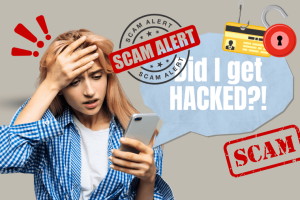
- Fake urgency around security issues, such as “your account has been hacked” messages that push you to click a link immediately, is another red flag.
- And here’s a newer one to keep an eye on: AI-generated voices or videos - scammers are starting to use artificial intelligence to imitate the voices of family members or colleagues. If you receive a call asking for money or sensitive information, make sure to verify through another channel before taking any action.
Stay Safe & Protected
Awareness is your best shield against online threats. Before you click on any links, take a moment to hover over them and check if they look legitimate. If you receive a request, don’t hesitate to verify it by calling the company directly using their official contact numbers. Make sure your accounts are protected with strong, unique passwords and enable two-factor authentication for an extra layer of security. Share tips about recognizing scams with your family and friends so they can stay informed and avoid falling victim. And if something seems off, don’t hesitate to report it to your service provider or the FTC.
Add an Extra Layer of Defense
Technology can help too. Tools like antivirus software, spam filters, and password managers provide that extra layer of security. Keeping yourself updated on the latest scam tactics through cybersecurity blogs or alerts can help you stay one step ahead. And remember, trust your instincts—if something feels off, it probably is.
Conclusion
Scammers thrive on quick decisions and emotional responses. So, take your time, double-check everything, and stay informed. Protecting yourself isn’t about being overly cautious; it’s about being prepared. Awareness is your best defense, and once you start spotting the red flags, you’ll feel a lot more secure.